In just one week Formula One is back, with the Australian Grand Prix in Melbourne. We are told this is "the most significant change in F1 rules in the sports history". Having watched F1 for too many years, I think this is the fourth or fifth time I have witnessed this happening. But then what is F1 without a bit of hype?
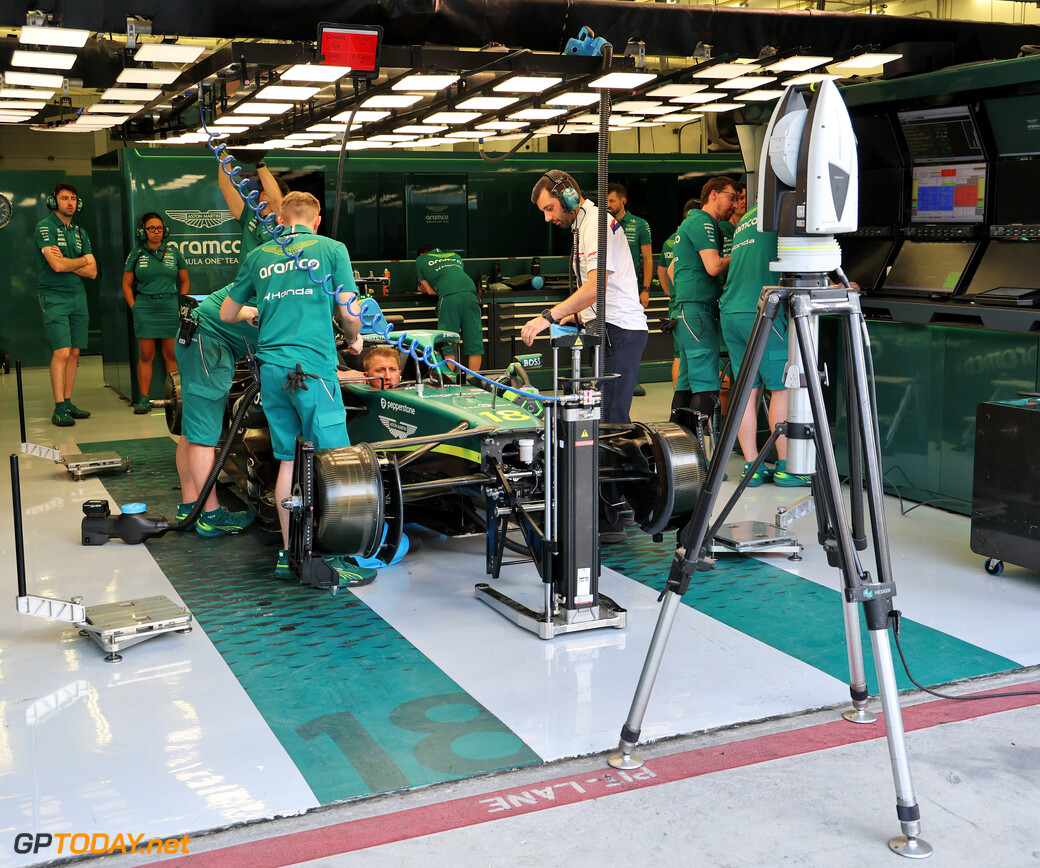
The pre-season testing didn't give a clear "winner", but it did suggest that Red Bull, McLaren, Mercedes and even (shocked face) Ferrari might be competitive. Down at the other end of the grid Aston Martin appear to have had the worst of the off season. The mid-field battle looks busy, with Williams, Alpine (complete with Mercedes motors), Racing Bulls, Haas, and (perhaps) Audi, performing well in testing. Cadillac were not embarrassed in pre-season, but don't look like they will be threatening the front, or even the middle, of the grid in Melbourne.
We have new engine rules, of which there has been much discussion. Personally, I think that this will mean that driver input will become more important. The driver will now have to put some effort into thinking about how to get the best from the combined internal combustion engine and electrical power unit, in the same way that drivers in the early days of turbocharged engines in the 1980's had to change their driver style to overcome the dreaded "turbo lag" (before all those clever engineers sorted it out for them). Senna was believed to be amongst the first to discover that if you dipped the clutch going through a corner, and blipped the throttle, the turbo would be spinning at a higher speed on exit and the car would accelerate faster. I would hope that this group, who we are told are the best drivers in the world (and Lance Stroll) will find a way to make sure there is enough electrical energy to push the car along at full racing speed for most of the lap.
There are also the aerodynamic changes, with a move away from a reliance on ground effect and the introduction of "active aero". DRS is gone, instead, when a car is one second behind another they will be able to use "overtake mode", allowing the driver to deploy more electrical energy rather than relying on lower drag to get past.
Here's a short video which explains things much more simply than I can.
If you are in the UK (like me) and plan to watch things live it's going to mean some late nights and early morning. Here's when our friends at Sky will be broadcasting:

This season will either be fascinating, super competitive, and one to remember through the ages, or 2009, where we pretty knew the outcome of both World Championship at the end of the first race. Let's hope for the former rather than the latter.
Enjoy!
The pre-season testing didn't give a clear "winner", but it did suggest that Red Bull, McLaren, Mercedes and even (shocked face) Ferrari might be competitive. Down at the other end of the grid Aston Martin appear to have had the worst of the off season. The mid-field battle looks busy, with Williams, Alpine (complete with Mercedes motors), Racing Bulls, Haas, and (perhaps) Audi, performing well in testing. Cadillac were not embarrassed in pre-season, but don't look like they will be threatening the front, or even the middle, of the grid in Melbourne.
We have new engine rules, of which there has been much discussion. Personally, I think that this will mean that driver input will become more important. The driver will now have to put some effort into thinking about how to get the best from the combined internal combustion engine and electrical power unit, in the same way that drivers in the early days of turbocharged engines in the 1980's had to change their driver style to overcome the dreaded "turbo lag" (before all those clever engineers sorted it out for them). Senna was believed to be amongst the first to discover that if you dipped the clutch going through a corner, and blipped the throttle, the turbo would be spinning at a higher speed on exit and the car would accelerate faster. I would hope that this group, who we are told are the best drivers in the world (and Lance Stroll) will find a way to make sure there is enough electrical energy to push the car along at full racing speed for most of the lap.
There are also the aerodynamic changes, with a move away from a reliance on ground effect and the introduction of "active aero". DRS is gone, instead, when a car is one second behind another they will be able to use "overtake mode", allowing the driver to deploy more electrical energy rather than relying on lower drag to get past.
Here's a short video which explains things much more simply than I can.
If you are in the UK (like me) and plan to watch things live it's going to mean some late nights and early morning. Here's when our friends at Sky will be broadcasting:
This season will either be fascinating, super competitive, and one to remember through the ages, or 2009, where we pretty knew the outcome of both World Championship at the end of the first race. Let's hope for the former rather than the latter.
Enjoy!
Last edited:




 . alonso was having conversation like this with honda


